

Euromedia24 on Play Store Euromedia24 on App Sore
BNB

$870.47

BTC

$113082

ADA

$0.868816

ETH

$4608.63

SOL

$213.76

31 °

Yerevan

20 °

Moscow

45 °

Dubai

20 °

London

26 °

Beijing

23 °

Brussels

16 °

Rome

23 °

Madrid

BNB

$870.47

BTC

$113082

ADA

$0.868816

ETH

$4608.63

SOL

$213.76

31 °

Yerevan

20 °

Moscow

45 °

Dubai

20 °

London

26 °

Beijing

23 °

Brussels

16 °

Rome

23 °

Madrid

A simple way to diagnose brain health using a smartphone has been discovered


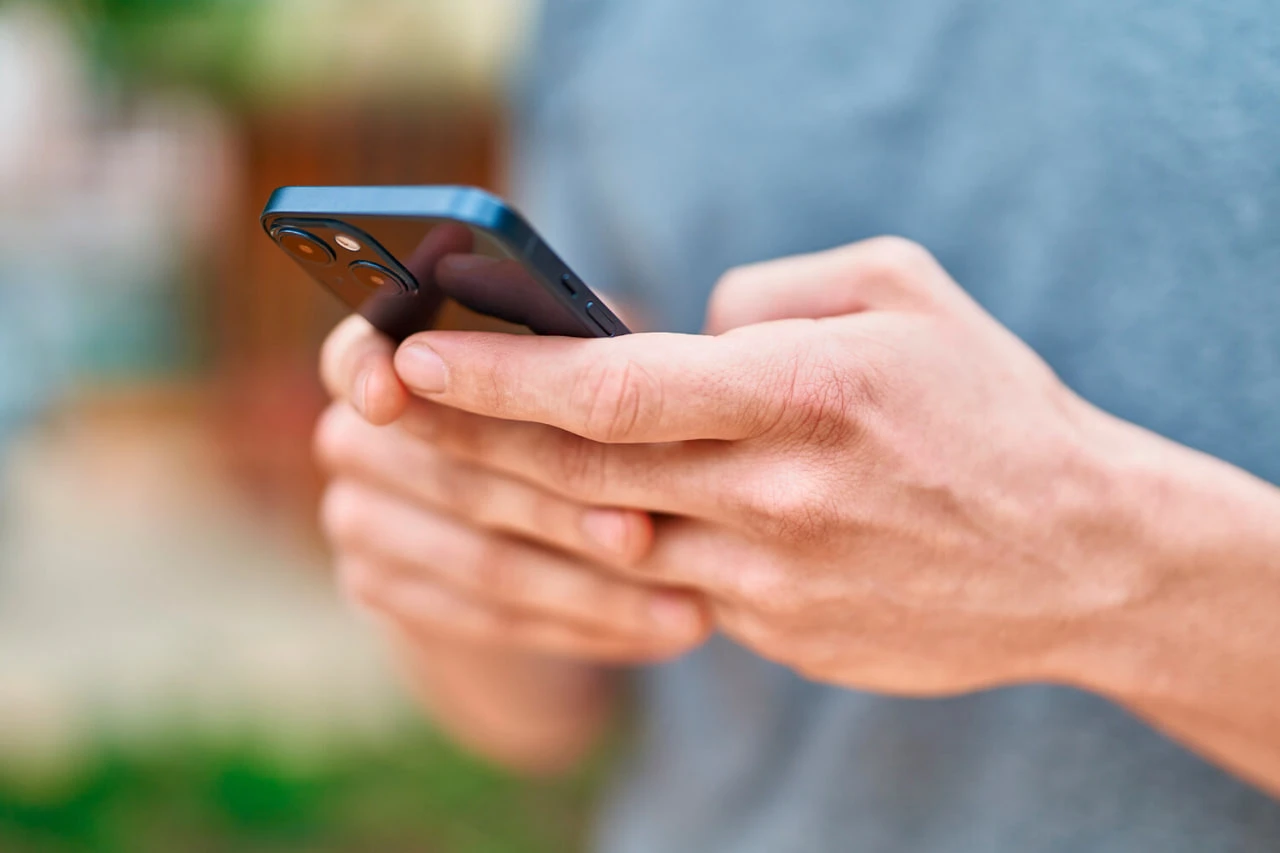
The frequency and speed of a person's typing on their phone can reveal a lot about their brain health. Scientists from the University of Illinois at Chicago came to this conclusion. The study was published in the Journal of Psychological and Clinical Science (JPCS).


Researchers have found that analyzing "passive" data from smartphones, such as the time between keystrokes, can help identify cognitive impairments common to depression and bipolar disorder.


The study involved 127 people between the ages of 25 and 50, both healthy volunteers and patients with various mood disorders. Over the course of a month, they used the BiAffect app, which recorded their typing speed, typing frequency and phone movement.


All participants also completed standard neuropsychological tests, including tasks assessing attention, memory, and mental flexibility.


In healthy individuals, slow typing was found to be associated with lower cognitive performance, while faster and more frequent typing was associated with better outcomes. However, the relationship between input and test scores was weaker in individuals with depression and bipolar disorder.


“Input speed reliably reflects information processing speed and executive function. And the more severe the symptoms of depression, the clearer this connection becomes," said the leader of the study, director of the Center for Depression and Resilience at the University of Illinois, Professor Olu Ajilore.


According to scientists, smartphone data can become a useful tool for monitoring cognitive function in real time. By monitoring changes in typing speed and rhythm, doctors will be able to quickly detect signs of deterioration and adjust treatment.


Translation:Euromedia24.com-in:
News

The EU obliged Turkey and Azerbaijan to prove the non-Russian origin of gas supplied to Europe
"Venezuela version". Russia expects a "serious" attack by the US against Iran
The French Foreign Minister responded to Zelensky's accusations
Zelensky stated that Russia did not deliberately target the energy sector after the end of the ceasefire
The European club is following Tiknizyan with great attention. the option of acquiring him is being considered
Cuba is ready to work with the US on security without compromising sovereignty
The French Foreign Minister called on Iran to comply with the US demands
There is no agreement on the meeting of the US and Iranian delegations in Turkey
Mishustin will visit Brazil on February 5
Latvia wants to donate more than 51,000 doses of COVID-19 vaccine to Ukraine
Durov hinted at the unreliability of WhatsApp
Reuters: Wittkoff will visit Israel this week for talks with Netanyahu
Tasnim: Iran and the US may start negotiations soon
Poland refused to support Trump's candidacy for the Nobel Prize
Ukraine is waiting for the largest shipments of air defense equipment from Sweden
Afghan authorities are planning a number of official visits to Russia in 2026
Peskov said that Moscow is ready to work for the peace of Ukraine
China has complained to the US over the unreasonable interrogation of its citizens
Kallas said that Kiev is ready to make difficult concessions
Peskov reported that Russia offered Iran the export of enriched uranium