





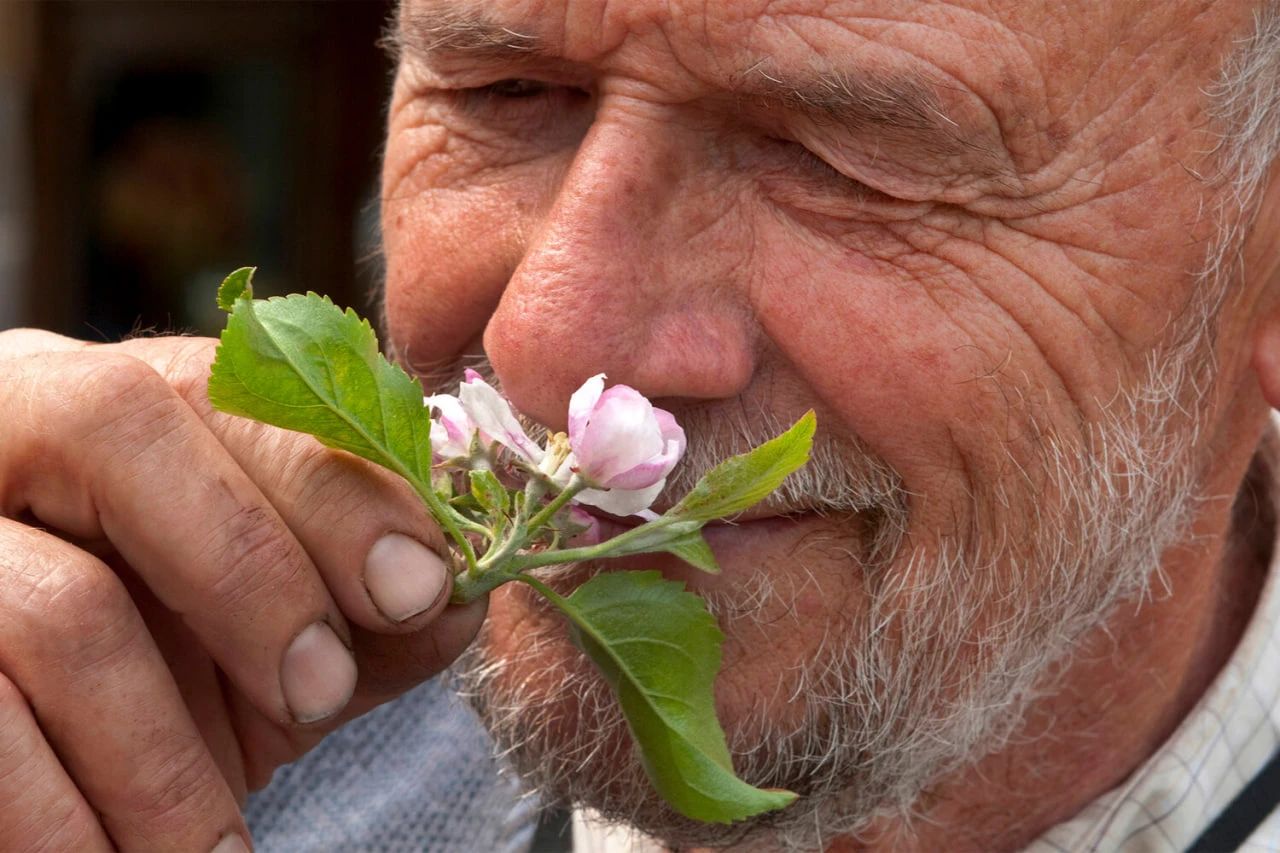
People with a hunter-gatherer genetic heritage have a sharper sense of smell; their genes provide a better ability to recognize smells. This conclusion was reached by the international group of scientists, the results of which were published in the journal Cell Reports.
An international team of scientists analyzed the DNA of the Orang Asli, an indigenous people of the Malaysian peninsula, and compared it to the genomes of more than 2,800 people around the world. Special attention was paid to the differences between hunter-gatherer and agricultural communities.
Forest hunter-gatherers were found to have retained more "working" genes for olfactory receptors, the proteins responsible for recognizing smell molecules. They had fewer deleterious mutations, which allowed them to more effectively distinguish between natural cues, such as smells of food, water, or potential danger.
In contrast, the genetics of olfactory function was more variable among agricultural groups. Researchers attribute this to the transition to agriculture. reliance on accurate odor recognition has decreased, and changes in diet and environment have influenced the evolution of relevant genes.
The authors emphasize that the human sense of smell continues to develop. Although more than 60% of the genes involved in smell perception are currently inactive in humans, the rest play an important role and are subject to natural selection.
"Some of these genes are also involved in other processes, such as metabolism or the immune system. This means that lifestyle changes can affect olfactory function not only directly, but also through other biological mechanisms," the scientists explained.
Moreover, scientists have found traces of ancient Neanderthal and Denisovan DNA in the olfactory genes. It is believed that these parts were preserved because they helped them to better recognize the smells associated with finding food.