The 'Fact' newspaper writes: "The negotiations surrounding the normalization of relations between Armenia and Azerbaijan and the 'peace treaty' have once again found themselves at the center of political and diplomatic bewilderment. The recent statement by Azerbaijan's presidential aide Hikmat Hajiyev, according to which Armenia and Armenian society must 'apologize' to Azerbaijanis who have been unable to return to their homes for decades, has caused serious turmoil in political platforms. Armenia's Foreign Minister Ararat Mirzoyan, responding to the aide's remarks, stated: 'There cannot be another precondition.'
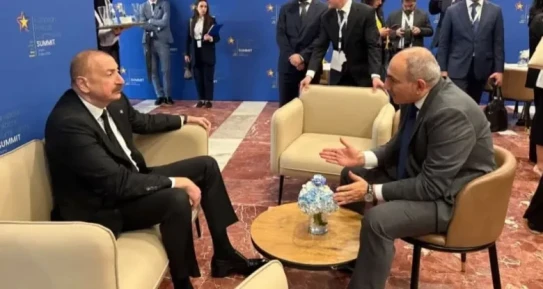
This situation is neither accidental nor the result of a diplomatic surprise. It is a direct consequence of the policy pursued by the Armenian government, which decided, without serious diplomatic work, without involving international players and firm guarantors, to engage in direct "tête-à-tête" (bilateral) negotiations with Baku. Authorities have been convincing the public that direct dialogue is the most effective path, but in practice, Armenia was left facing Azerbaijani pressures alone. Consequently, a vicious cycle was created: when it seems the Armenian side is ready to accept another demand from Baku — including amending the Armenian Constitution and removing references to the Declaration of Independence — and the process seems to be "on track," Azerbaijan suddenly brings up a new precondition, issues sharp statements, and completely alters the logic of the negotiations.
The formulation of a "public apology" demand by Azerbaijan is not new in diplomatic practice, but in the current sensitive phase, circulating such a thesis cannot be considered accidental. When the Armenian side regularly complies with Baku's demands, Azerbaijan introduces moral-psychological or constitutional-legal new elements. This allows the Azerbaijani side to delay the final signing, shifting responsibility to Yerevan. At the same time, the demand to "ask for forgiveness" is an attempt to portray the history and cause-effect relationships of the conflict solely as the Armenian side's "guilt" in the eyes of the international community, unilaterally bypassing the Sumgait, Baku, Kirovabad massacres, the deportation of Armenians from Ganja and Artsakh, and the fate of tens of thousands of Armenian refugees.
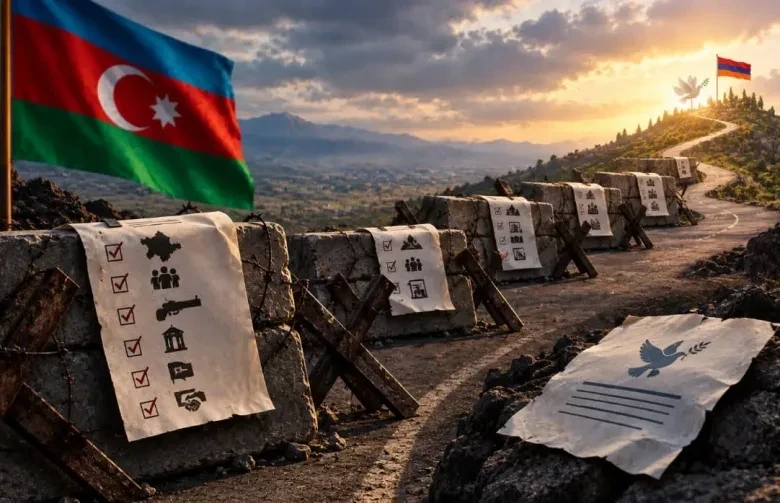
The course of events shows that every time it seems a resolution is near, Baku comes up with another long-nurtured demand. Initially, public discussions are formed around it; the audience gradually "gets used" to the idea, after which the authorities step by step make new concessions. This indicates that Azerbaijan's demands are far from exhausted, and as soon as consensus is reached on any point, new preconditions emerge.
Against the backdrop of Baku's growing assertiveness, Yerevan has found itself in a defensive position. The policy of comprehensive concessions pursued under the name of a "peace agenda" only encourages Azerbaijan to present ever more new preconditions. Unilateral exploitation of past moral-psychological wounds threatens to completely derail the logic of the document, while official Yerevan's statements have yet to translate into practical countermeasures or clear red lines.
In the context of the deep rift and unresolved enmity between Armenia and Azerbaijan, demanding an "apology" in ultimatum style does not promote reconciliation, but, on the contrary, further deepens public outrage and resistance. For Armenian society, which in recent years has suffered severe losses and from which the entire population of Artsakh has been displaced, such demands are perceived as an attempt to violate national dignity.
In the current situation, Baku uses this statement as an additional pretext to delay signing a final agreement until its other demands are satisfied. This once again underscores the reality that without international guarantees, without the involvement of external players, and without balanced diplomacy, "tête-à-tête" negotiations turn into one-sided demands and pressure.
The statements by Hikmat Hajiyev and the response by Ararat Mirzoyan indicate that illusions about achieving peace in the Armenian-Azerbaijani negotiation process clash with real politics. If Armenian authorities do not revise their approaches and do not stop the endless chain of concessions, the concept of a "peace treaty" will ultimately turn into an endless process of fulfilling Azerbaijan's ever-new preconditions.
More details in today's issue of the newspaper