





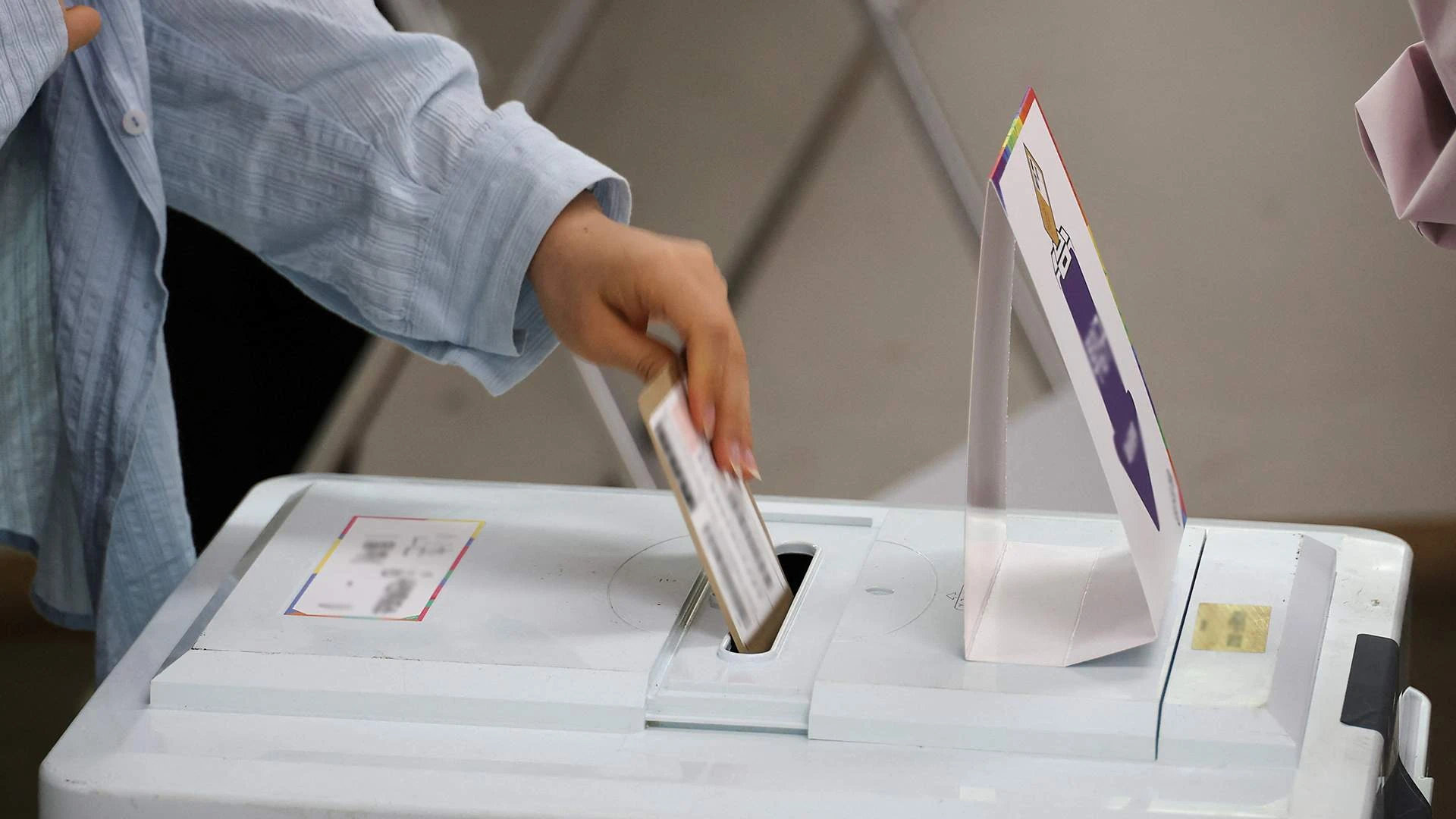
Presidential elections are being held in Colombia, which will effectively define the future political and foreign policy path of the country, amid increasing violence and strained relations with the United States, reports BBC News.
The vote comes after months of public conflict between incumbent President Gustavo Petro and US President Donald Trump, including disputes over the drug trade and US intervention in the region. According to observers, the elections are turning into a referendum on Petro's political legacy and his "universal peace" strategy. The candidate of the left camp, Ivan Cepeda, who is supported by the current president, is considered to be the leader of the race. He advocates the continuation of negotiations with armed groups and the peaceful settlement of the conflict.
His main opponents, right-wing candidates Abelardo de la Espriela and Paloma Valencia, advocate a hard line on security and promise to step up military measures against criminal gangs.
In particular, de la Espriela proposes large-scale force measures and the construction of new prisons, presenting himself as a supporter of a "tough state". Voting started in the morning and will end in the evening, local time. According to forecasts, none of the candidates will be able to collect more than 50% of the votes, so a second round is likely. The campaign is taking place against the backdrop of the worsening security situation. attacks by armed groups, kidnappings and an increase in violence are recorded in the country.
The International Committee of the Red Cross notes that the level of influence of the conflict on the civilian population has reached the maximum of the last decade. The results of the vote could determine whether Colombia stays on the path of negotiations with armed groups or moves to a more hard-line power policy and rapprochement with the United States.