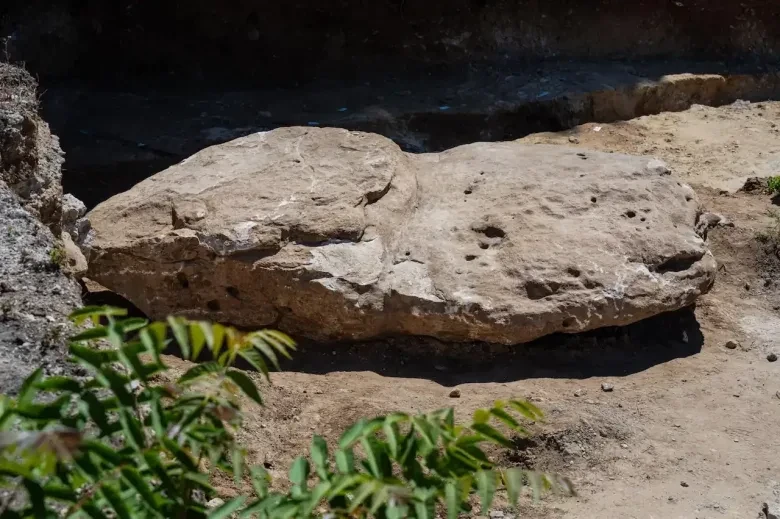
Archaeologists have discovered a cemetery about 6,500 years old on the outskirts of Paris, consisting of eleven burials, thirty enormous stones, and a nearly ten-ton stone statue, reports La Brújula Verde.
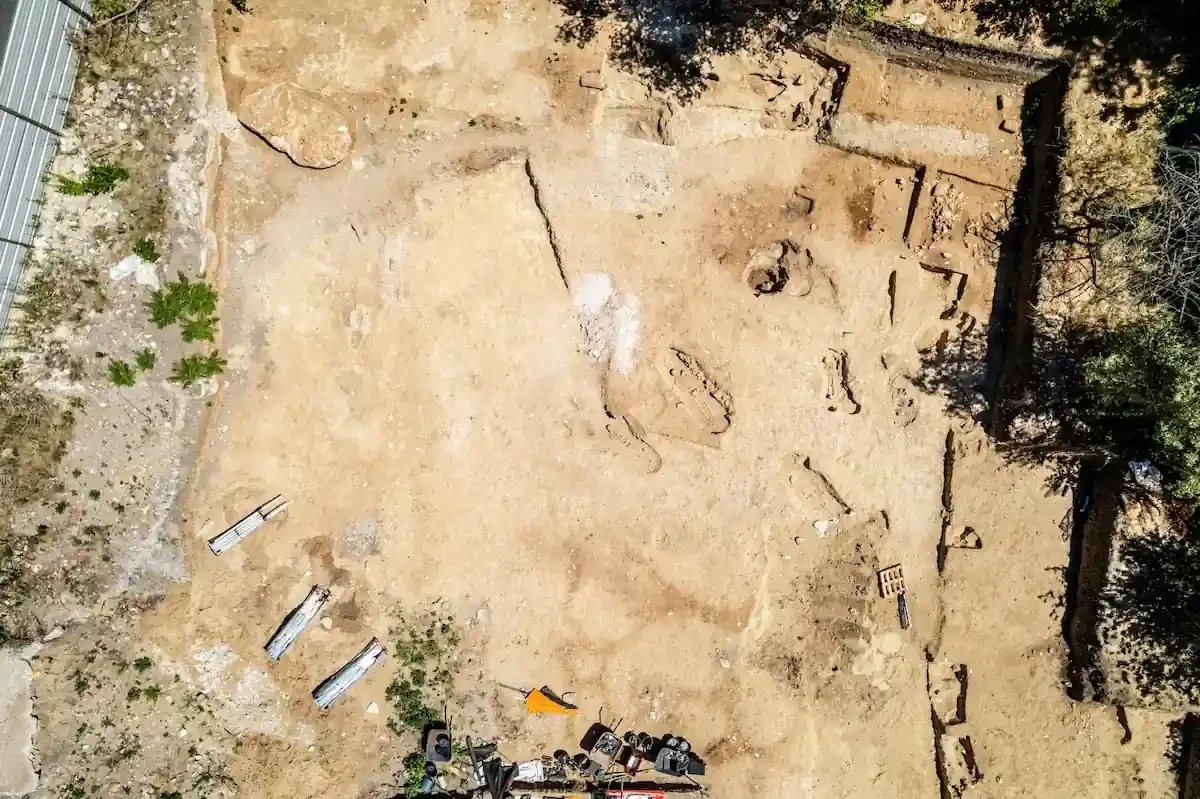
The discovery was made in the commune of Champigny-sur-Marne, located southeast of the French capital, during excavations prior to the construction of a residential complex, according to the French National Institute for Preventive Archaeological Research.
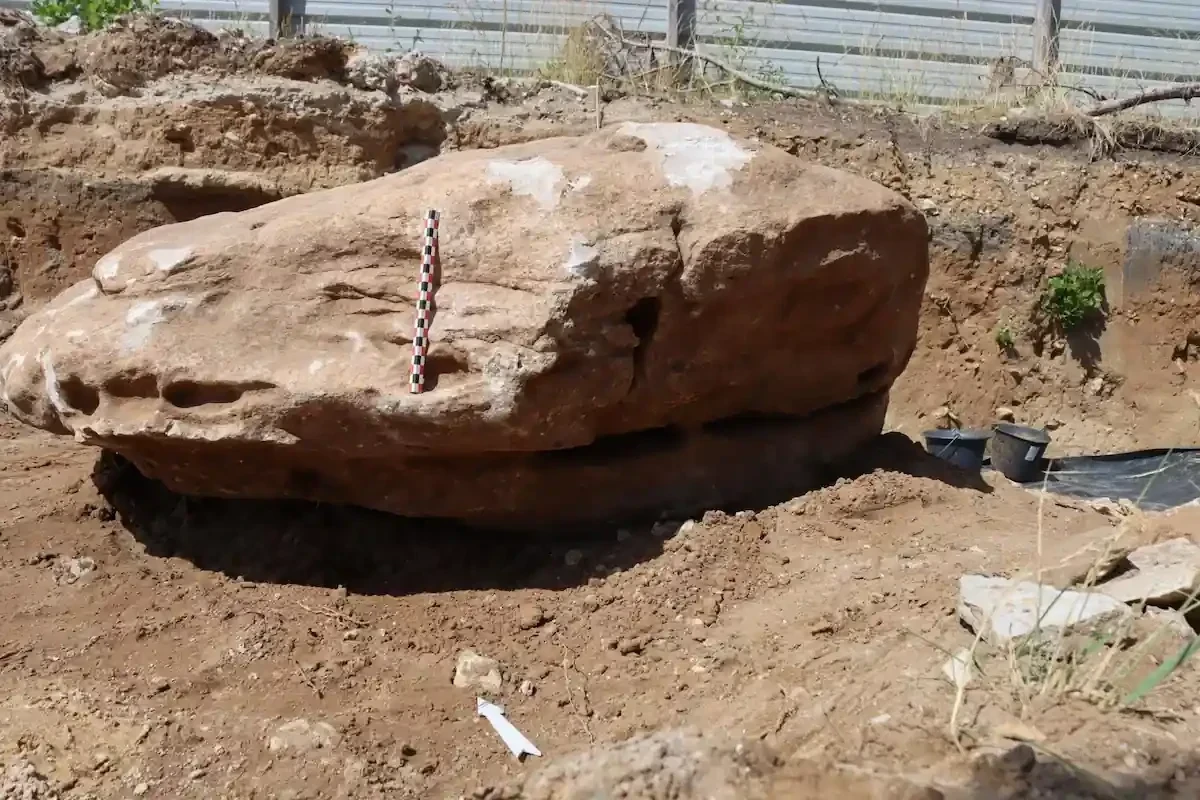
The main find is a three-meter tall stone statue in the shape of a human figure. It was found lying on its side in a pit where it had once been set upright. Researchers found an image of a belt and small hand-made holes on the surface of the statue. Black and white traces were also observed on the stone, which could be remnants of paint. If confirmed, this would mean the statue was originally painted.
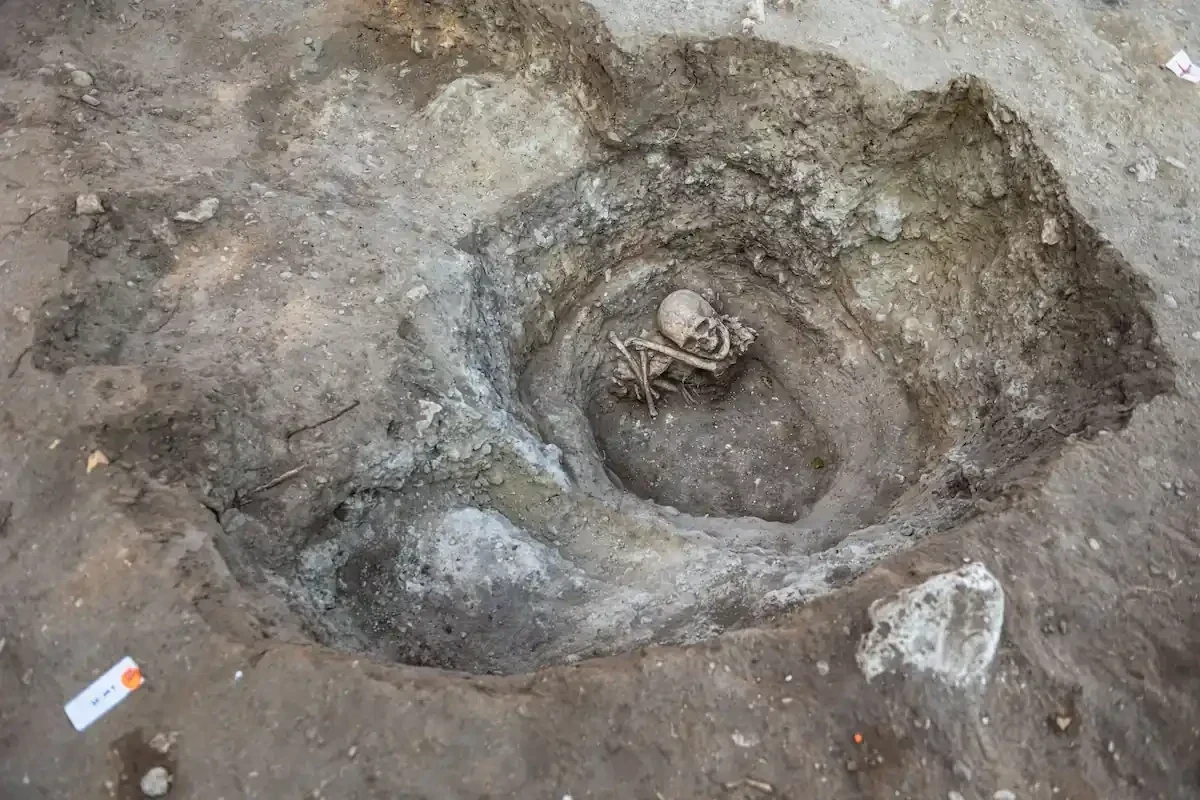
Archaeologists uncovered eleven graves. Most of the deceased were buried lying on their backs, with worked flint tools, blades, and other objects placed beside the bodies. Notably, one burial in a narrow, round pit contained an adult buried in a seated position. The individual's shins and soles were completely covered in calcite—a mineral formed by the deposition of substances from water. The reason for this unusual burial ritual remains unknown.
Another surprise was the discovery of ancient building material identified by researchers as simple cement. People mixed local sand and clay rich in calcium compounds with gravel and water. After drying, the mixture hardened. Traces of this material were preserved near the graves, stone monuments, and a mound of earth whose purpose is still a mystery.
Similar stone statues are known in France, mainly in the south of the country. The discovery in the Paris region expands archaeologists' understanding of the distribution of such monuments during the Neolithic era.
Experts plan to analyze ancient DNA as well as isotopes found in bones and teeth. This will help determine the origins, dietary habits, health status, and movements of the buried individuals. The studies are also expected to shed light on the burial customs and construction technologies of the region’s earliest inhabitants.