





"Fact" daily writes:
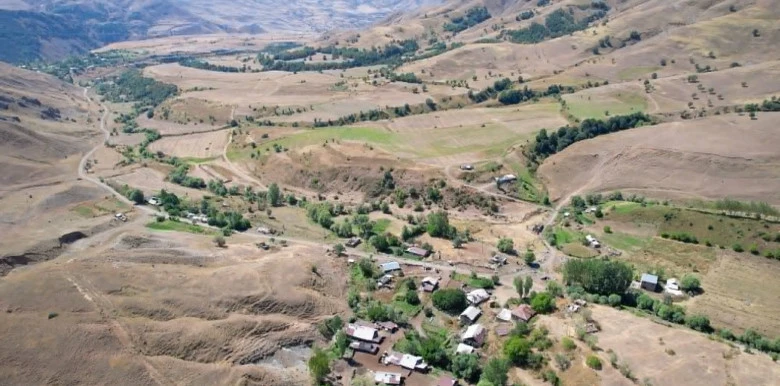
According to the villagers, the rural housing construction program implemented in the border communities of Tavush region, which aimed to promote settlement and support the local population, did not actually serve its main purpose.
Local residents warn that state subsidies have not reached the families for which they were intended, and many built houses remain empty today.
Residents of the villages told "Fact" about the failure of the rural housing construction project. Ahead of the parliamentary elections on June 7, problems related to the effectiveness of social and economic programs are being raised more often in the public sphere.
In this context, the alarms sounding from Tavush shed new light on the real impact of state programs, especially in border areas where population preservation is vital. According to locals, the implementation of the subsidy program was accompanied by unclear and non-transparent mechanisms.
According to them, the support was distributed on selective principles, often bypassing the primary beneficiaries. As a result, those families who actually have a housing problem and live in the border villages did not receive the necessary support.
The created situation has led to a paradox. many houses built or purchased with state funds remain empty today.
In those areas where each resident has a strategic importance, the program not only did not contribute to the growth of settlement, but also did not actually solve the problems before it.
According to local residents, this case once again shows the working style of the state system, when even development-oriented programs are not immune to conflict of interests and often serve narrow group goals. According to them, such an approach not only does not contribute to the development of villages, but also deepens the existing problems, increasing distrust towards state programs.
This story once again raises an important question. To what extent do government programs actually serve the public interest, and to what extent are they controlled from the point of view of efficient and fair distribution? In fact, the empty houses in Tavush have become one of the most eloquent answers to that question.
Details in today's issue of "Past" daily