Delegates of the Berlin branch of Germany's "Left" party will decide on Saturday whether to begin official negotiations with the Greens and the Social Democratic Party of Germany (SPD) to form a coalition government, reported dpa.
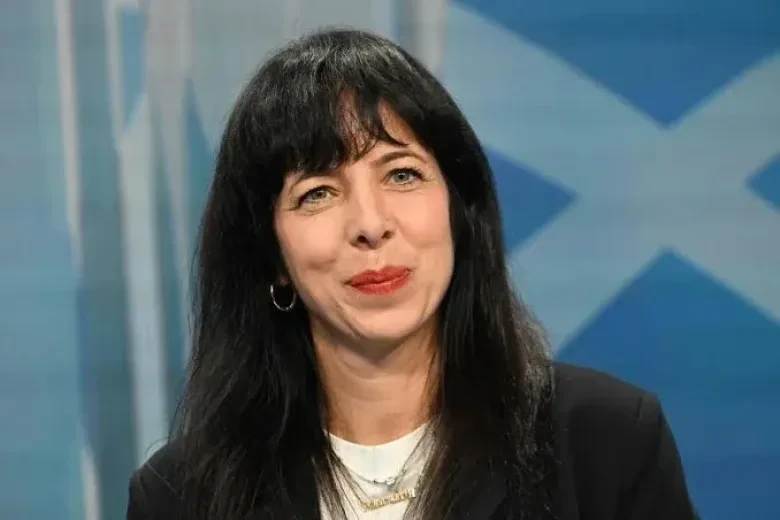
In the regional elections held on September 20, the "Left" came in first place, receiving 25.7 percent of the vote. If negotiations conclude successfully, Berlin could, for the first time, be led by a representative of this party — the politician of Turkish descent, Elif Eralp.
The Greens and SPD have already approved the start of coalition talks. If the "Left" delegates support this decision, official consultations among the three parties will begin on Monday.
Eralp's potential appointment as head of the city administration has sparked controversy even before the negotiations began. Representatives of center-right and right-wing political forces sharply criticize the "Left" party's plans to confiscate thousands of apartments from major commercial landlords. The party expects this measure to curb rent increases in the city.
The Berlin branch of the "Left" party has also been at the center of discussions regarding accusations of antisemitism related to statements about Israel. The party denies the allegations. The disputes intensified after Der Spiegel published a report stating that Eralp refused to publicly comment on the actions of a well-known pro-Palestinian activist, fearing for her family's safety. The publication raised questions about the candidate's ability to combat crime. Following Eralp's request, the police reassessed the threat level and provided her with personal protection, including during the party conference.
On Saturday, about 80 protesters gathered near the event venue. They accused the "Left" party of betraying voters because of the concessions made during preliminary consultations with possible partners. Among the protesters' demands are consistent solidarity with Palestine and the nationalization of property.
A segment of the party's youth organization opposes forming a coalition with more moderate political forces and instead calls for building a strong socialist opposition. The conference is being held under heightened police security.