





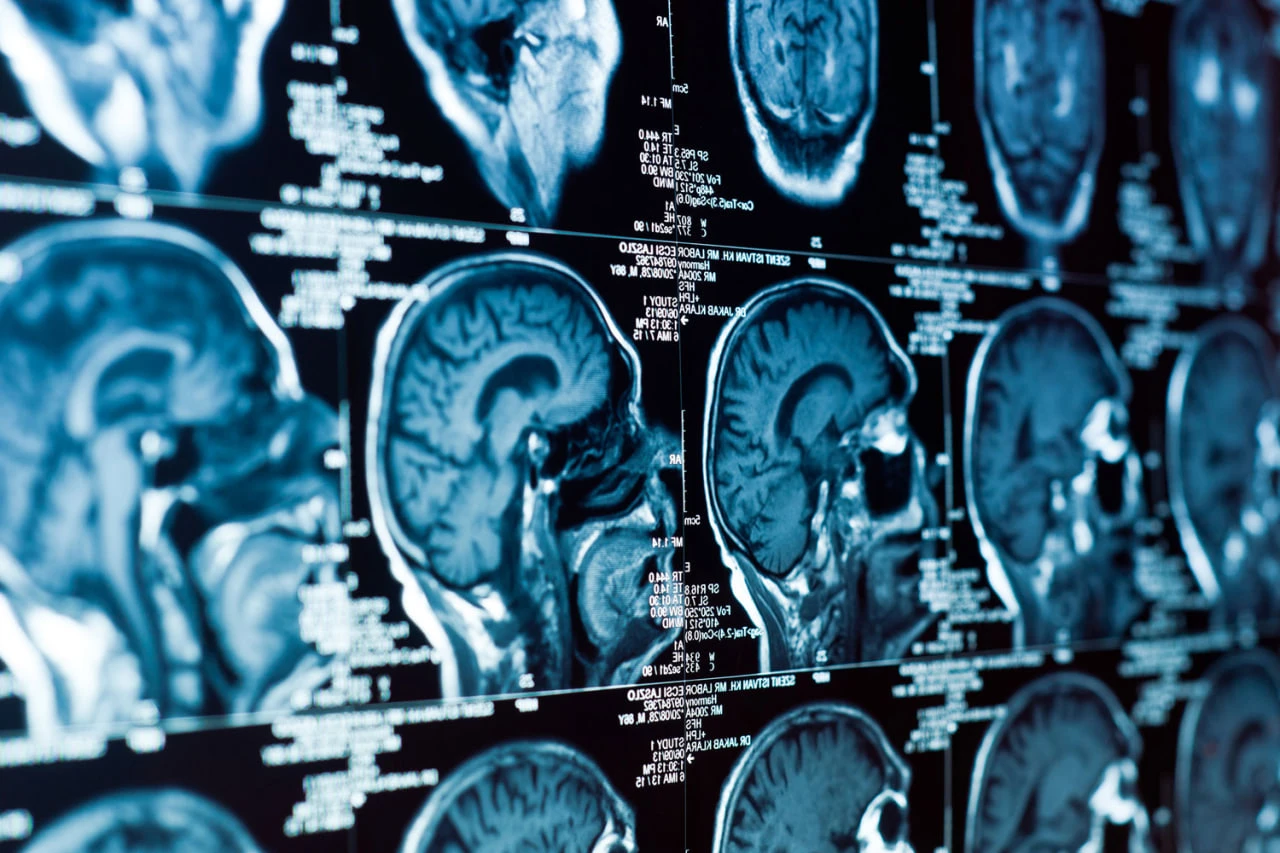
Changes in the brain form with age may be related to the risk of development of Demencies. This conclusion was reached by the University of California (UC IRVINE) and the University of La Laguna, the University of Laguna, Spain. Their work was published in Nature Communications (Natcom).
More than 2,600 MR Brain Scanning Analysis has allowed scientists to follow how the brain is transformed with age and how it is related to the results of cognitive tests. It turned out that the changes in the brain form occur unevenly. Some parts are squeezed, while others are widening, and these distortions are more pronounced in people with signs of cognitive fall.
"We found that the three-dimensional way of the brain is changed to age, and these changes are deeply affected by memory and judgment," explains Neils Yansen, Neurist of La Laguna University Nils Yansen.
Researchers have paid special attention to the enlichineal peel, the part of the brain, which plays an important role in the memory settlement. Entleshineal peel is one of the first parts of Alzheimer's disease. Scientists believe that the age changes of the brain can put pressure on this vulnerable, creating conditions for the accumulation and damage of toxic proteins.
"If the aging brain is deformed so that the encleated bark is" compressed ", this can explain why it becomes the center of Alzheimer's disease pathology," said UC Irvine neurologist Michael Jasan.
This study can potentially change the approach to diagnosis of neurodegenerative diseases. The authors emphasize that the understanding of the geometry of the brain can play an important role in the early detection of Demencies, not only to assess its consequences.
Translation of: Euromedia24.com